
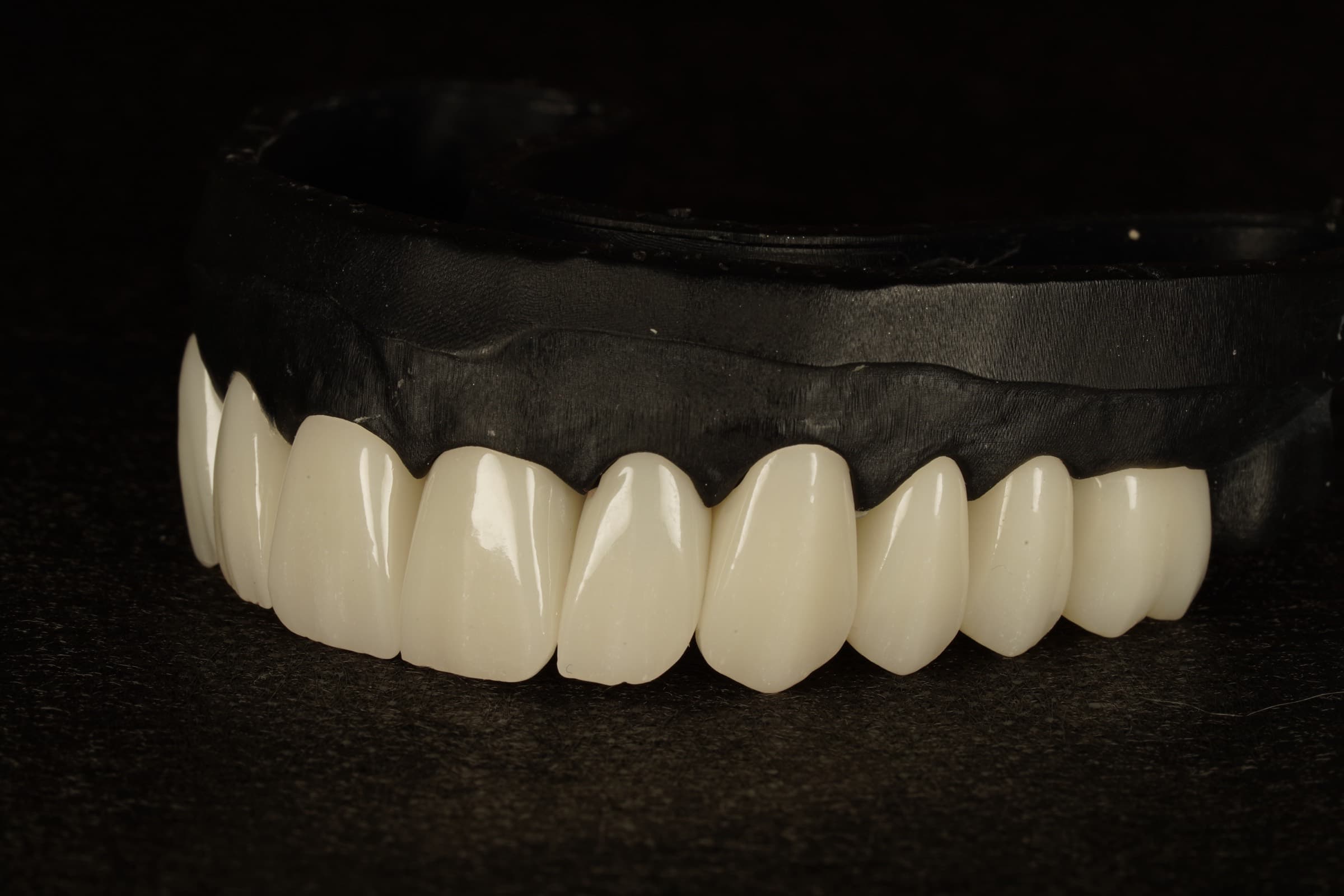
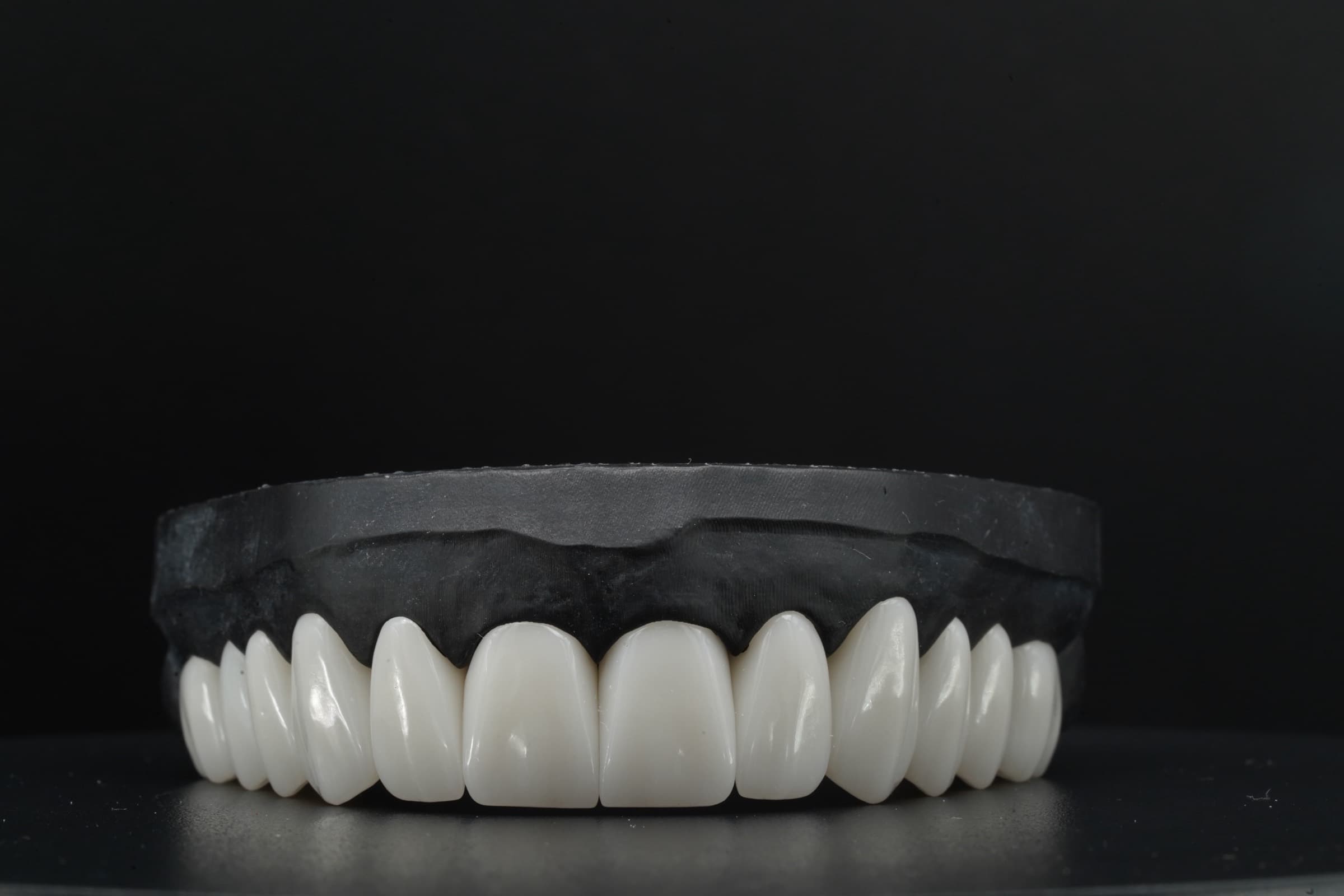
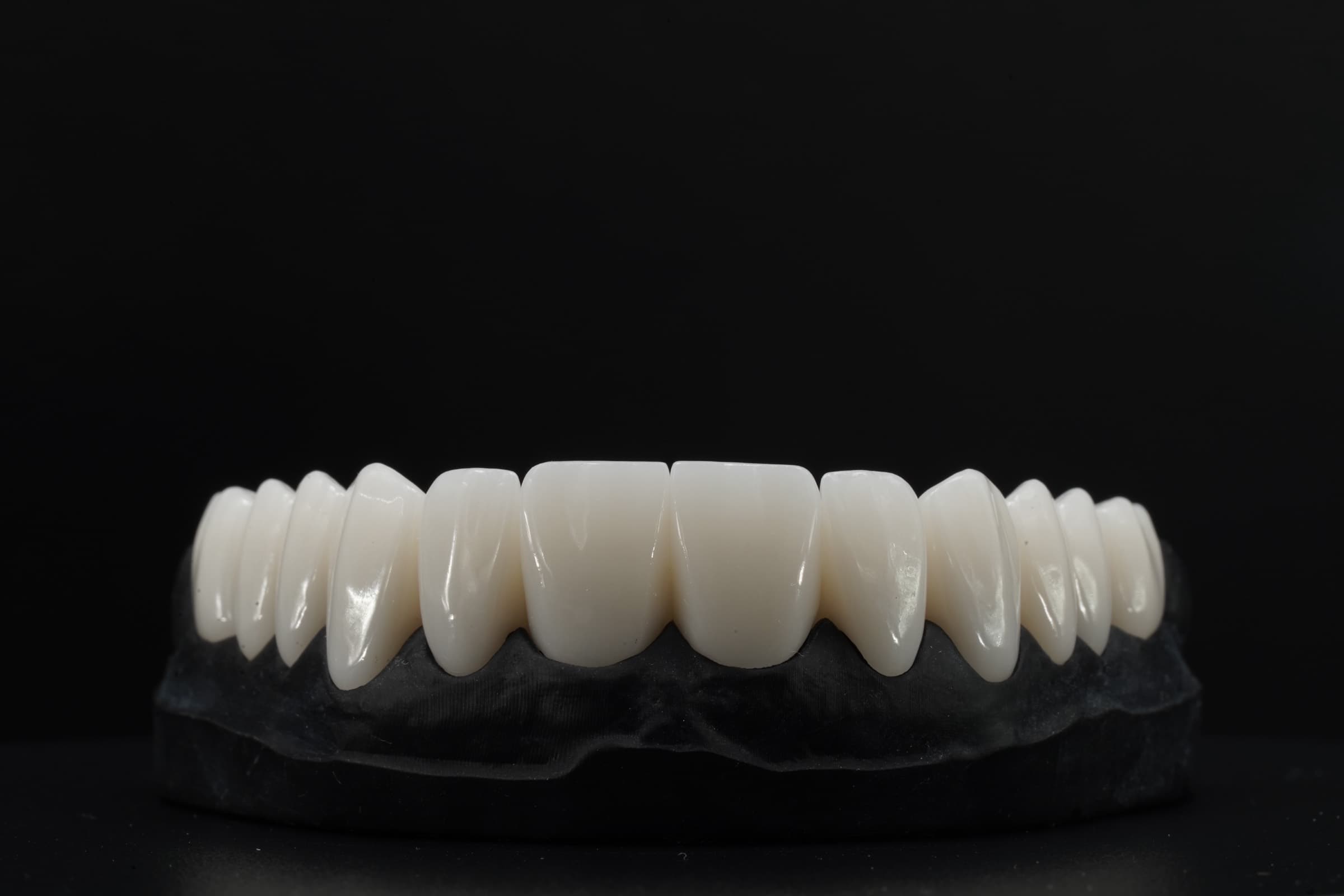
Crowns & bridges
Single units and spans, milled and characterised in-house.
- Materials
- Zirconia, lithium disilicate
British-owned · Digital dental laboratory · Tbilisi, Georgia
Crowns, bridges, implant restorations and appliances — designed and milled in-house, with the case visible to you at every stage rather than disappearing until it arrives.
Provenance
Orvellan is owned and directed from the United Kingdom and manufactures in its own laboratory in Tbilisi. The working practices, materials and documentation are those a UK or EU practice expects as standard.
Every restoration is a custom-made device and travels with the manufacturer documentation it is required to carry.
What we make
Turnaround is shown as laboratory working days plus transit, never as a single blended figure.
Single units and spans, milled and characterised in-house.
Minimal-preparation and conventional, layered or pressed.
Screw-retained and cement-retained, on stock or custom abutments.
Order visibility
Tbilisi runs four hours ahead of London. Design work finished during our afternoon is usually waiting in your inbox before the morning list.
Your file enters the queue within minutes of upload. We check margin clarity and occlusal clearance before anything else happens, and tell you the same day if a rescan would save time later.
A technician designs the restoration and sends the proposal as images you can open on a phone between patients. Nothing is milled until you have seen it.
Approve or annotate from wherever you are. No software to install and no account to create — the link is enough.
Milled and finished in-house. Material, shade and batch are recorded against the case, so a remake never begins from guesswork.
Marked dispatched the moment it leaves the bench, with tracking sent to you rather than waited for.
Craft
Two laboratories can quote the same material and the same turnaround and send back work that is not comparable. The gap is in the parts nobody photographs.
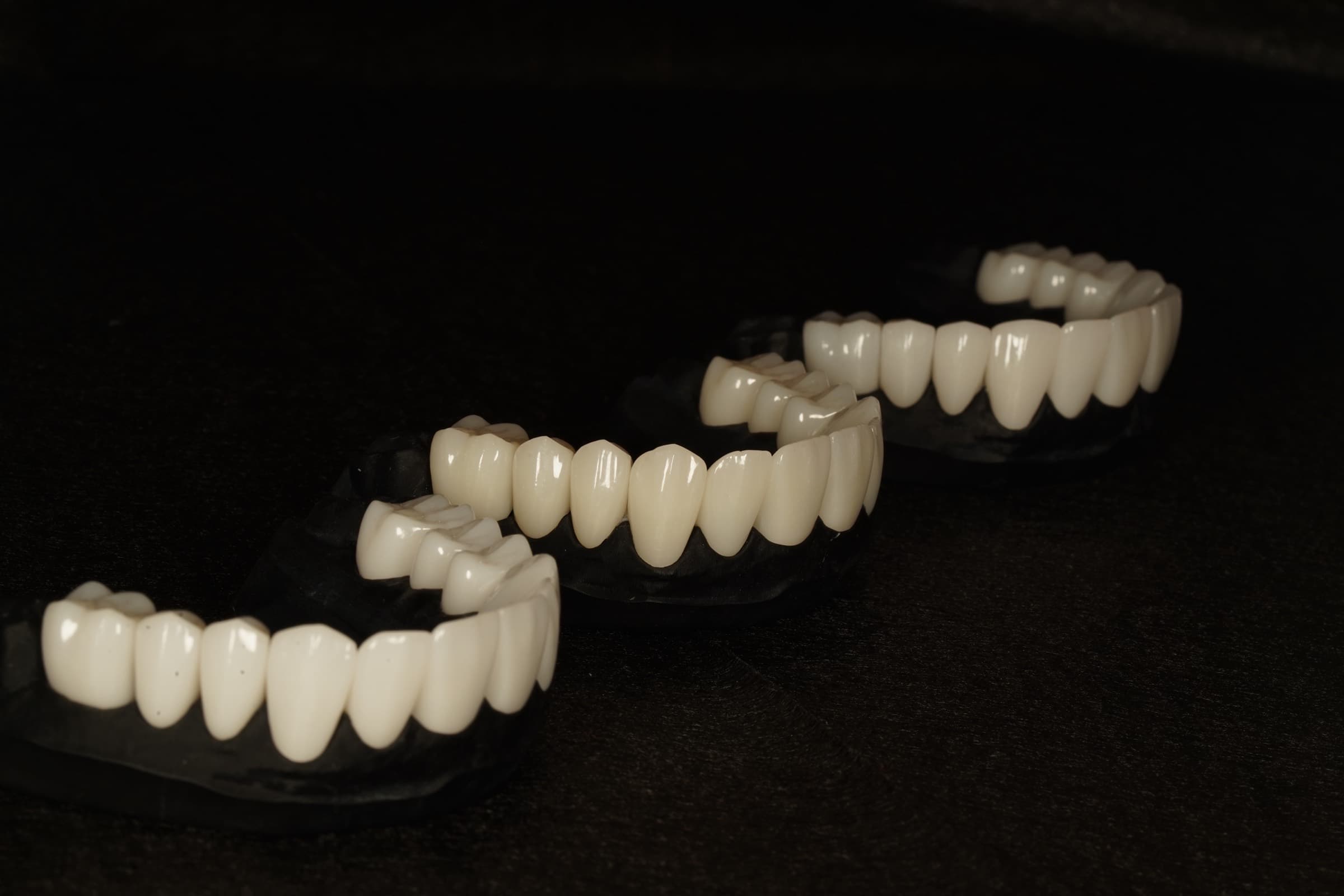
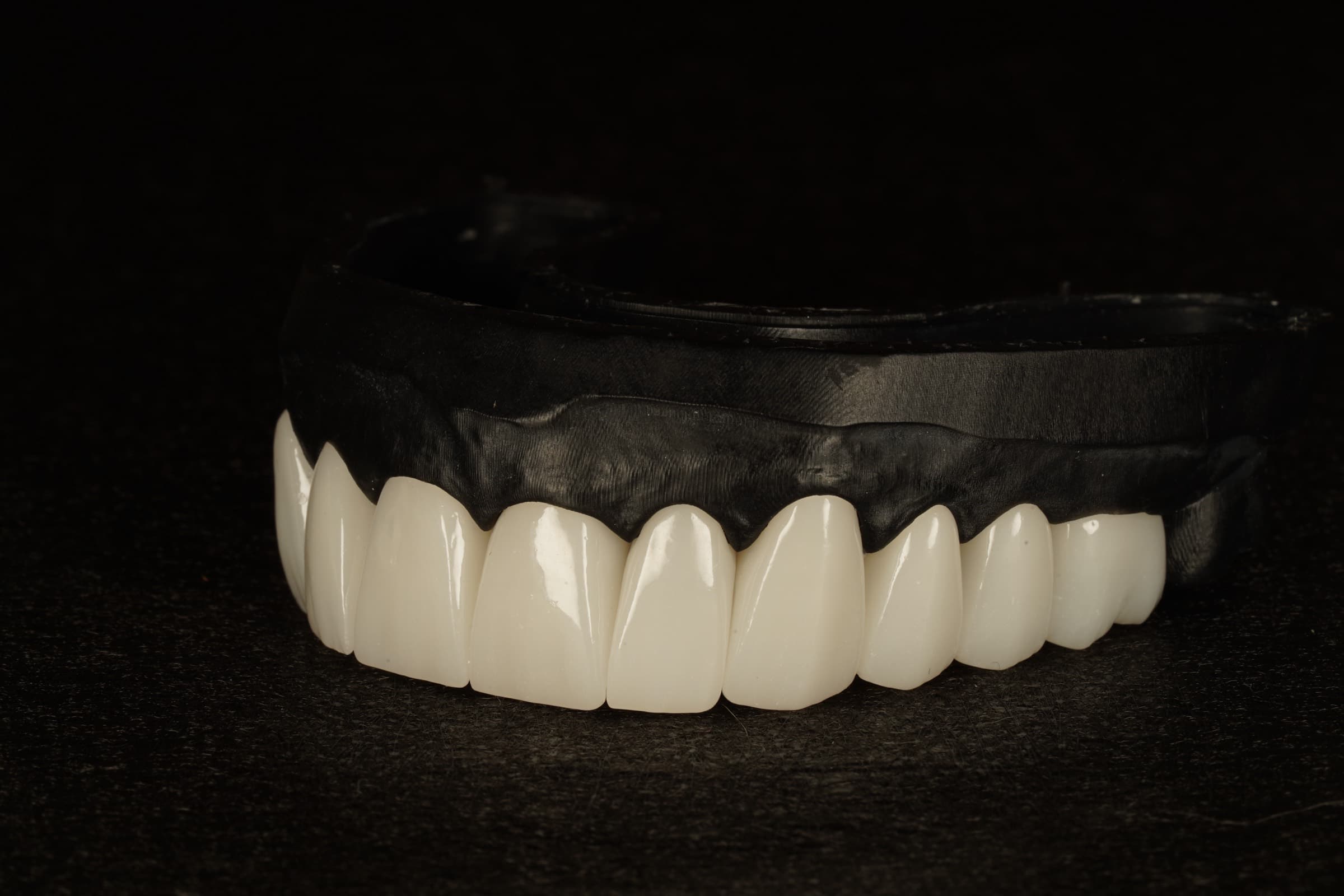
Finished arches, ready for dispatch
Every unit recorded against its case: material, shade, batch and the technician who finished it.
Recent work
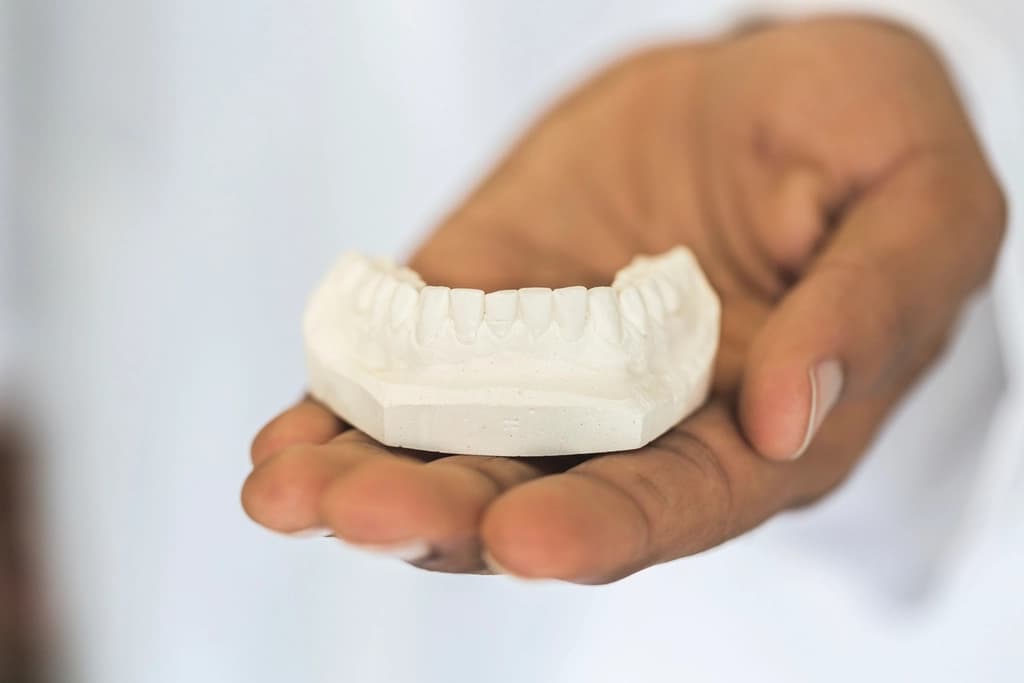
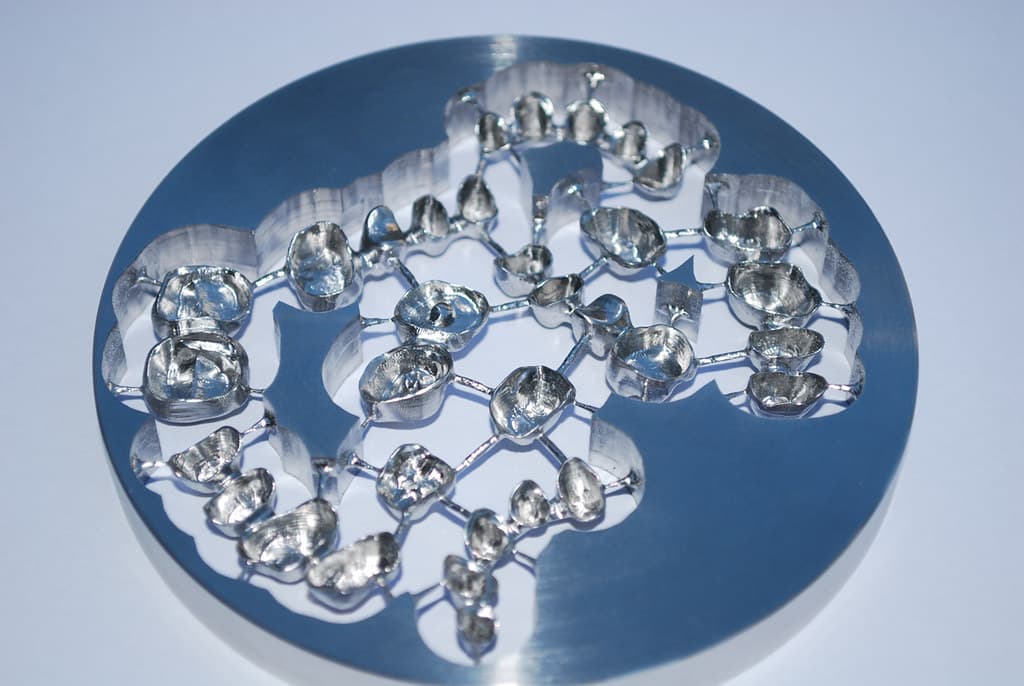
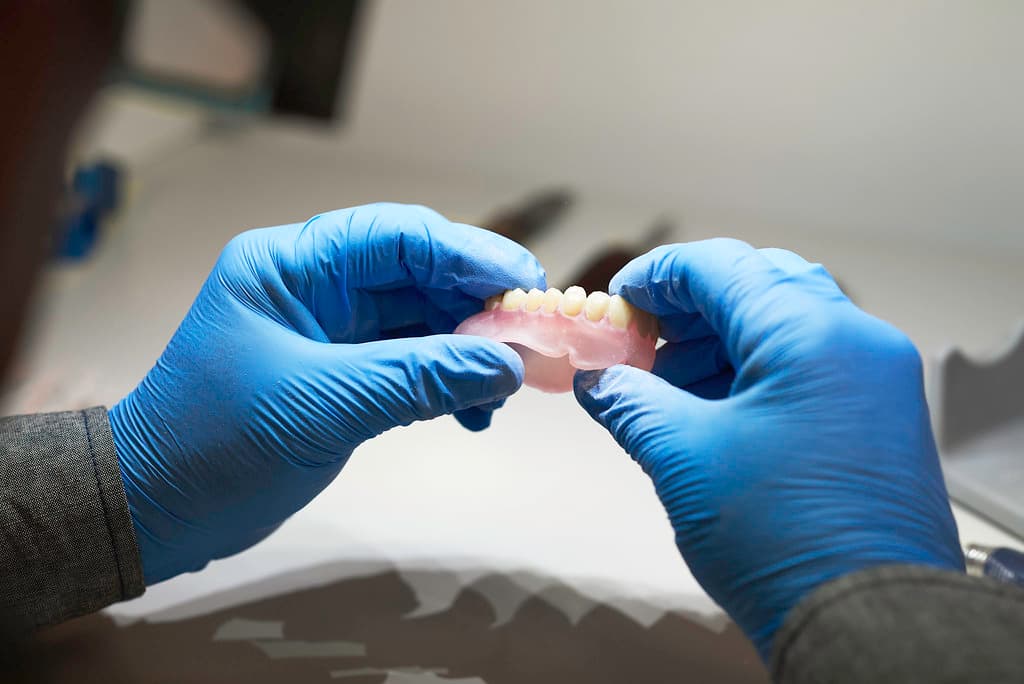
14 — Crowns
A crown is judged at conversational distance and then again at arm's length under a surgery light. These are the details that decide whether it reads as a tooth or as dentistry.
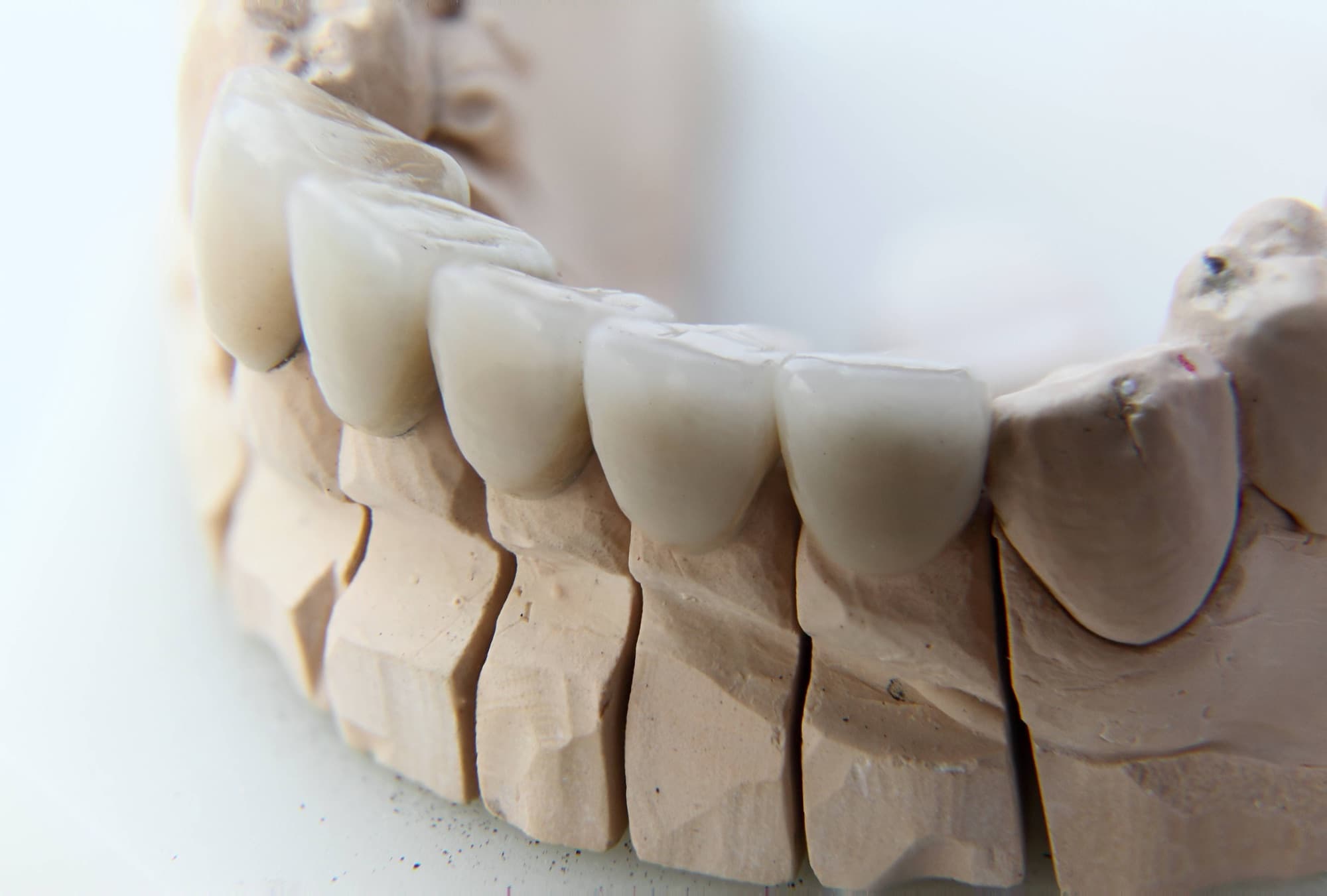
Layered ceramic over a metal substructure. The gradient from cervical to incisal is built in layers, not painted on at the end.
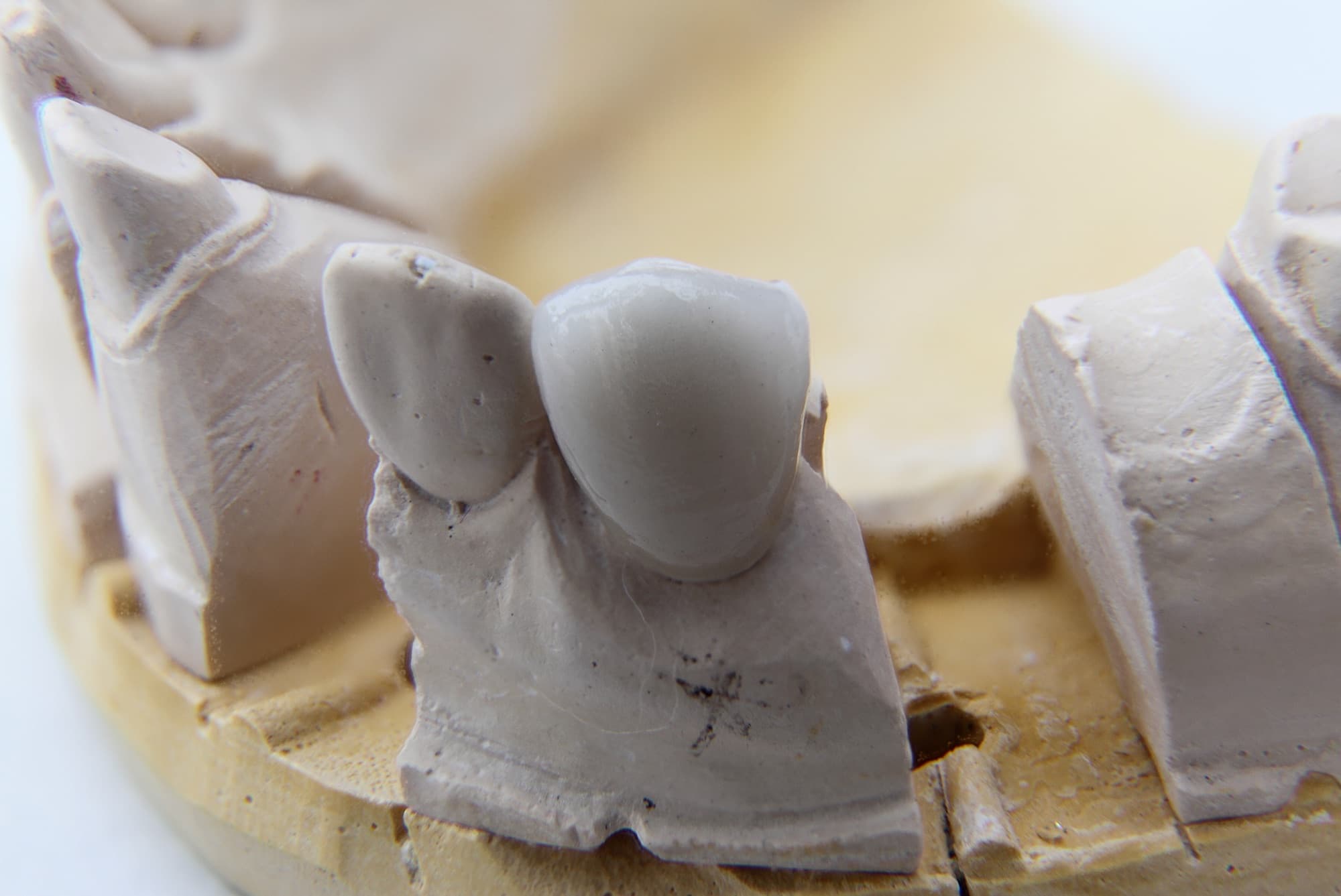
The incisal third is where a crown gives itself away. Too opaque and it reads flat; too translucent and it greys against the dark of the mouth.
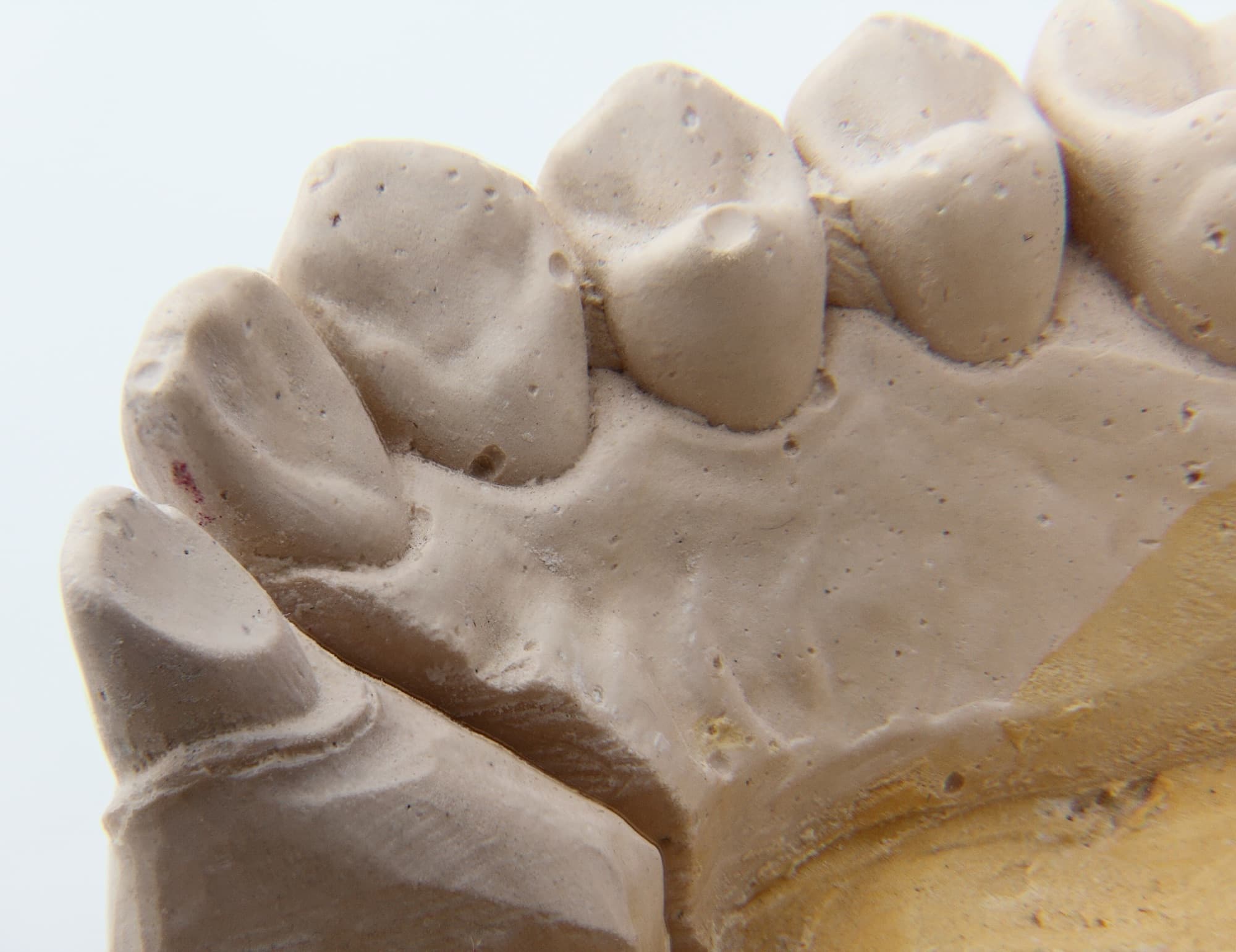
The margin is the join a patient never sees and a periodontist always does. It is checked on the model before the case is allowed to leave.
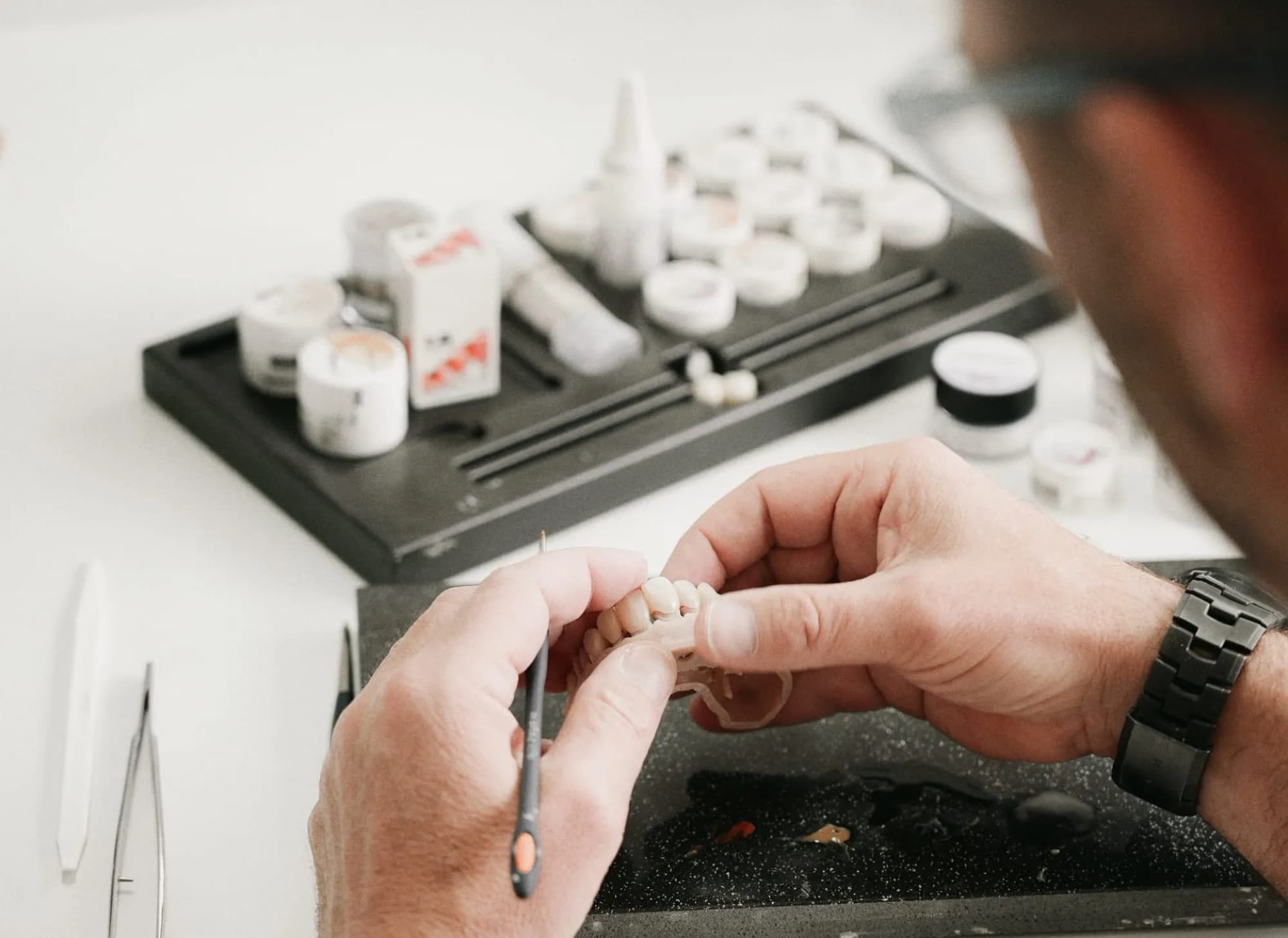
Milling gets the geometry right. Surface texture, line angles and polish are still done by a technician with a brush and a rubber wheel.
Tell us what you work with and we will come back with pricing, scanner connection details and a first-case checklist.